A practical buyer’s guide to telling a serious research-peptide supplier from the rest, and to reading a Certificate of Analysis so you can verify what you actually receive.
The research peptide market is crowded, and quality is not evenly distributed. Two vials with the same label can come from very different places, with very different purity behind them. If you run research, the supplier you pick becomes part of your data.
This is a plain guide to sorting a serious supplier from the rest, and to reading a Certificate of Analysis (COA) so you can confirm what is in the vial. We run ezPeps as a small, family-owned business, so we will also be direct about how we handle these things ourselves.
What a quality research-peptide supplier actually does
A good supplier makes its testing verifiable, not just claimed.
Marketing is easy to write. Independent test data is not. When you compare suppliers, look for the things that are hard to fake:
- Independent, third-party testing. Results from an outside lab, ideally one that works to cGMP standards or holds ISO 17025 accreditation. An outside lab has no reason to inflate a number.
- A full testing panel, not a spot check. Purity confirmed by HPLC and identity by mass spectrometry, run on the batch that ships, not a one-time sample from a year ago.
- A Certificate of Analysis for every batch. Published, and matched to the specific vial you receive, not a single report reused across everything.
- Clear research-use-only framing. A serious supplier does not market for human use or talk in dosing terms.
- US-based fulfillment with proper handling. Lyophilized material shipped correctly, with tracking.
- Real support and a written return policy. A person you can reach, and a refund policy you can read before you buy.
- A track record. A consistent batch history and a business that is still around next year.
How to read a Certificate of Analysis (COA)
A COA is a lab report that documents the identity and purity of one specific batch.
It is the single most useful document a supplier can give you. Here is what to check on it:
What to look for
Batch or lot number. It should match the number printed on your vial and shown on the product page.
Compound identity. The report should confirm the compound, typically by mass spectrometry.
Purity percentage. Look for the HPLC purity figure. Reputable suppliers test to a high bar and publish the number rather than just describing it.
Test method. HPLC for purity, mass spectrometry for identity. The methods should be named on the report.
The testing lab. An independent, named laboratory, ideally cGMP-aligned or ISO 17025 accredited, carries more weight than “tested in-house.”
Date. A recent report tied to the batch you are buying, not a generic one from a year ago.
How to confirm a COA is real
Match the batch number on the COA to the batch on the product page and on the vial. The batch shown online should be the exact batch that ships to you. Prefer reports that are hosted by, or verifiable through, the testing lab, and a QR code on the vial that links straight to the report makes this a five-second check.
COA red flags
- No batch number, or a batch number that does not match your vial.
- In-house testing only, with no independent lab named.
- One old report reused across many different batches.
Red flags to walk away from
A few signals are worth treating as a hard stop:
- Prices far below the market. Material that is suspiciously cheap usually is not what the label says.
- No COAs, or COAs you cannot match to your order.
- Human-use marketing, dosing talk, or health claims. That is both a compliance problem and a sign the vendor is not operating as a research supplier.
- No return policy, and no way to reach a real person.
How ezPeps handles it
We built ezPeps around the parts of this we would want as buyers ourselves.
- We source from labs that work to cGMP standards and hold ISO 17025 accreditation.
- Every new batch goes through a full testing panel, our 8x testing, with independent third-party results.
- What you see is what you get. We only post live batches, with the active COA for the exact lot that ships to you.
- We keep a public COA Library, and each product carries a QR code that links to its report.
- We ship from the US with fast fulfillment and tracking.
- We back orders with a 30-day guarantee and a plain return and refund policy.
- We are small, owner-operated, and we answer our own support.
Frequently asked questions
What is a Certificate of Analysis (COA)?
A COA is a lab report documenting the identity and purity of a specific batch of material. A useful one names the test methods (HPLC for purity, mass spectrometry for identity), the batch number, and the testing lab.
How do I know a COA is real?
Match the batch number on the COA to the number on your vial and the product page, and prefer results from an independent, named lab. A QR code that links to the report makes this faster to confirm.
What purity should I look for?
Reputable research-peptide suppliers publish an HPLC purity figure and test every batch. Favor suppliers that make that number verifiable through a COA rather than only stating it in marketing.
Are research peptides for human use?
No. Research peptides are sold strictly for laboratory and research use only. They are not intended for human or animal use, consumption, or any clinical or diagnostic application.
Why does US-based shipping matter?
Lyophilized material handled and shipped correctly, with tracking, reduces time and handling risk in transit. Domestic fulfillment also tends to mean clearer support and returns if something is wrong.
Related research peptides
Independently tested, each listed with its live batch COA.
-
Sale!

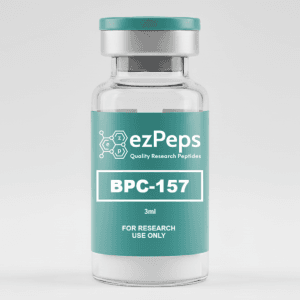
BPC-157
Original price was: $59.99.$44.99Current price is: $44.99.Select options This product has multiple variants. The options may be chosen on the product page -
Sale!
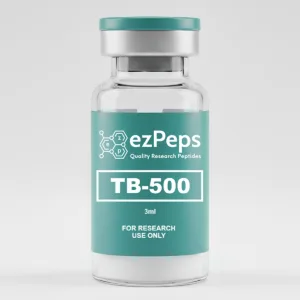
TB-500
Original price was: $69.99.$54.99Current price is: $54.99.Select options This product has multiple variants. The options may be chosen on the product page -
Sale!
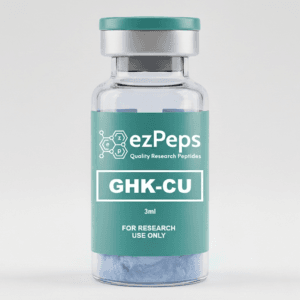
GHK-CU
Price range: $33.99 through $48.99Select options This product has multiple variants. The options may be chosen on the product page -
Sale!
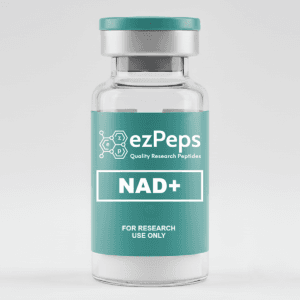
NAD+
Price range: $59.99 through $95.99Select options This product has multiple variants. The options may be chosen on the product page -
Sale!
Tesamorelin
Price range: $62.99 through $94.99Select options This product has multiple variants. The options may be chosen on the product page -
Sale!
Semax
Original price was: $49.99.$39.99Current price is: $39.99.Select options This product has multiple variants. The options may be chosen on the product page